Introduction
When it comes to pest management, especially with pesky rodents invading homes and businesses, the question often arises: "How to choose between traps and baits for effective pest management?" This dilemma can significantly impact the success of your pest control efforts. Choosing the right method can mean the difference between a successful eradication or an ongoing battle against unwanted guests.
In this comprehensive guide, we will delve deep into the intricacies of both traps and baits. We’ll explore their mechanisms, effectiveness, pros and cons, as well as expert recommendations from Rodent Control Experts at Rodent Control Inc. in Los Angeles. Through this exploration, you'll gain insights that will empower you to make informed decisions in your pest management journey.
Understanding Rodent Behavior
The Psychology of Rodents
Rodents are intelligent creatures with complex behaviors. They are often cautious when encountering new objects in their environment, which plays a critical role in how they respond to traps and baits.
- Curiosity: Rodents are curious by nature but also exhibit neophobia—fear of new things. Habits: They tend to follow established paths which influence trap placement.
Understanding these behaviors is fundamental when considering how to choose between traps and baits for effective pest management.
Why Rodent Control Is Essential
Rodents are not just nuisances; they pose significant health risks and damage property. Common issues include:
- Transmission of diseases (e.g., hantavirus, leptospirosis) Contamination of food sources Structural damage (gnawing through wires, insulation)
Hence, choosing the right method is crucial not only for immediate relief but Rodent Control Company long-term prevention as well.
Types of Rodent Control Methods
Overview of Control Methods
When contemplating how to choose between traps and baits for effective pest management, it’s essential first to understand the various methods available:
Traps- Snap traps Electric traps Glue traps
- Poison baits Natural repellents Homemade bait solutions
Both methods have unique advantages and disadvantages that we will discuss further.
Traps vs. Baits: A Detailed Comparison
Traps
Types of Traps Available
Snap Traps- Mechanism: Spring-loaded bar snaps down on rodent upon triggering. Pros: Instant kill; reusable; no poison. Cons: Need frequent checking; may require proper placement.
- Mechanism: Delivers a quick electric shock. Pros: Fast action; less mess. Cons: Requires batteries; limited range.
- Mechanism: Sticky surface captures rodent. Pros: Easy setup; no bait needed. Cons: Inhumane; captured rodents can suffer.
When To Use Traps
Opt for traps if you're dealing with a small infestation or prefer a non-toxic approach. The instant results can provide peace of mind when pests invade your space unexpectedly.
Baits
Types of Bait Options
Poison Baits- Mechanism: Contains toxic substances that kill rodents after ingestion. Pros: Effective over larger areas; requires less monitoring. Cons: Risks to pets/children; delayed action (may cause rodents to die in walls).
- Mechanism: Uses essential oils or other natural ingredients to deter rodents. Pros: Safe for pets/humans; eco-friendly. Cons: Often less effective in severe infestations.
- Mechanism: Custom mixtures using common household items (peanut butter, oatmeal). Pros: Cost-effective; customizable based on preferences. Cons: Requires trial and error to find what works best.
When To Use Baits
Baits can be beneficial if you’re looking for a long-term solution or are dealing with larger infestations where direct trapping may be insufficient.
How To Choose Between Traps and Baits for Effective Pest Management
Deciding whether to use traps or baits involves evaluating several factors:
Infestation Size: For minor issues, consider using traps; larger problems may warrant bait application. Safety Concerns: If you have children or pets around, opt for traps or natural repellents over poisons. Time Frame: Need immediate action? Go with traps! For more gradual control, baits might be appropriate. Environmental Considerations: Think about where you're placing these controls—inside vs outside—and how they might affect local wildlife.Ultimately, understanding these nuances will lead you closer to effectively managing rodent populations in your vicinity.
Expert Recommendations from Rodent Control Inc.
Insights from Professionals
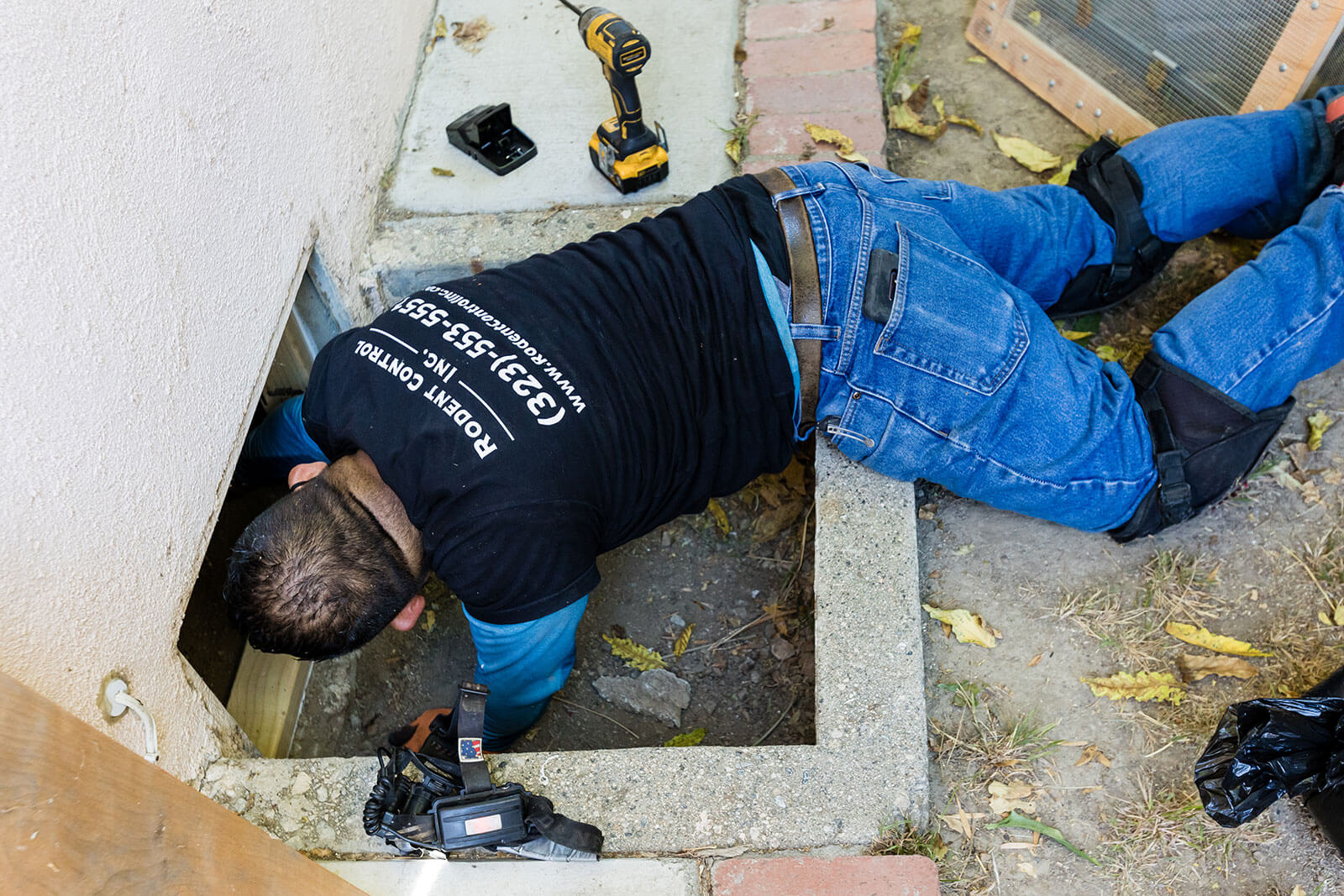
Consulting with a reputable rodent control company can offer invaluable insights tailored specifically to your situation:
- The experts at Rodent Control Inc., known as leading advocates in rodent control in Los Angeles, suggest integrating both methods for optimal results. They emphasize regular monitoring regardless of which method you choose—be it “Rodent Control Near Me” services or DIY approaches.
Importance of Professional Help
Although many homeowners attempt DIY solutions initially, enlisting professional help ensures thorough assessment and customized strategies that enhance effectiveness while minimizing risks associated with misapplication.
Common Myths About Rodent Control
Debunking Misconceptions
Misunderstanding rodent behavior and control methods can hinder your efforts:

Myth: All rodents are attracted to cheese!
- Truth*: Many prefer grains or fruits over cheese—their diet varies widely!
Myth: You only need one trap/bait station per room!
- Truth*: Multiple placements increase chances of capture due to their roaming habits!
Myth: Poison guarantees extermination!
- Truth*: It can take days for symptoms to manifest—leading them off-site before dying!
By addressing these myths head-on using facts backed by experience from rodent control experts, you’re better equipped for successful management efforts!
FAQs
1. What is more effective—traps or baits?
Both have their merits depending on various factors like infestation size and safety concerns! Often combining both yields the best results!
2. Can I use homemade bait safely?
Yes! Many people have success with homemade bait options like peanut butter mixed with oats—but watch out for allergies!
3. How often should I check my traps?
It’s advisable at least once daily until you've confirmed all activity has ceased!
4. Are there any health risks associated with rodenticides?
Absolutely! Always follow label instructions closely! Risks exist particularly if pets/children may come into contact with them inadvertently!
5. How do I know if I need professional help?
If you notice signs like droppings/scratching sounds consistently after trying DIY methods unsuccessfully—it’s time! Seek “rodent control services near me” right away!
6. Which method is most humane?
Snap traps are generally considered more humane compared to glue boards or poisons since they cause instant death rather than prolonged suffering.
Conclusion
Navigating through the maze of options available when tasked with “how to choose between traps and baits for effective pest management” doesn’t have to be overwhelming! Armed with knowledge about each method's strengths & weaknesses combined alongside insights from professionals at companies like Rodent Control Inc., you’ll confidently face any challenges ahead! Remember—the key lies not only within deciding which route takes precedence but also ensuring consistent follow-through by monitoring & adapting strategies accordingly throughout your journey toward achieving peace-of-mind regarding those uninvited rodent guests invading your space!